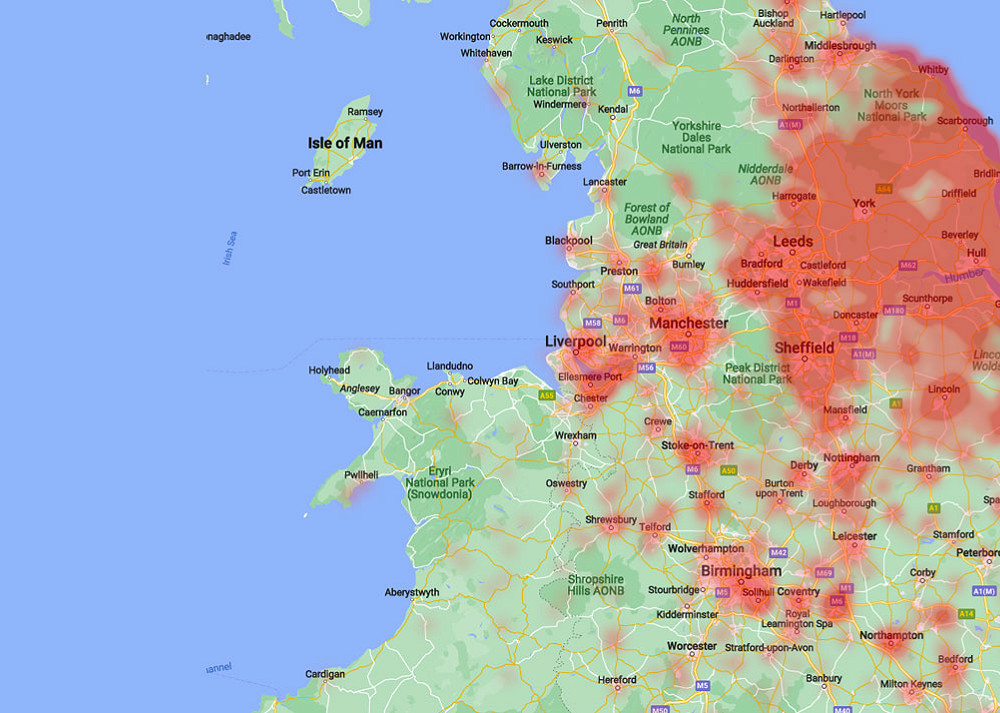
Flood Zones 101
- Flood Zone 1
A low probability of flooding, but development may still be constrained by surface water risk
- Flood Zone 2
A medium probability and often requires justification and mitigation
- Flood Zone 3
A high probability and places significant restrictions on development
Flood zones influence site layout, finished floor levels, access arrangements, and the suitability of proposed land uses. For planning decisions, flood zones development constraints must be addressed before design details are finalised.
What Flood Zones Mean for Your Plans
When it comes to planning, flood zones are super important. They affect where you can put buildings on your site, how high up you can build, how you need to design the access routes and what kind of activities can be carried out on site.
What Do I Need to Do to Meet the Regulatory Requirements?
Flood risk assessments are all about balancing national policy with local knowledge. The local planning authority makes the call, but they'll be working with experts like the Environment Agency and other stakeholders to make sure everything is done right.
Depending on where your site is, you might need to get the Lead Local Flood Authority or the Environment Agency involved. It all depends on just how much of a problem flooding is going to be for your site.
The Sequential and Exception Tests - What You Need to Know
The sequential test is a way of planning that aims to steer new developments away from high-risk flood areas. But if that's not possible, you can try to apply the exception test. This involves showing that your project has some wider benefits and that it will be safe for the lifetime of the development - even with climate change taken into account.
What Evidence Do I Need to Get to Back My Application?
As a developer, you'll need to provide a lot of information to support your plans - including:
-
A clear description of your site and the surrounding area\
-
The results of the flood mapping\
-
The topography of the site\
-
Your drainage strategy
Planning Conditions to Mitigate Flood Risk
When you're planning a site, you've got to take steps to mitigate flood risk. Here are some common things that developers do to reduce the risk:
-
Rethinking the layout of the site to avoid the most high-risk areas\
-
Setting a minimum floor level to prevent flooding\
-
Ensuring there are safe access and egress routes\
-
Controlling surface water runoff\
-
Making sure you've got space for any drainage features you might need
Surface Water Flooding - The Problem That Keeps on Giving
Surface water flooding is a big problem in the UK - and one of the main reasons applications get refused. Your drainage strategy needs to cover things like:
-
Managing the rate of surface water flow\
-
Where you're going to store water when it's heavy rain\
-
Discharging water without making the flood risk worse elsewhere
Sustainable Drainage Systems (SuDS) might be worth looking into if your site is suitable.
Final Words for Developers
A flood risk assessment is a crucial part of the planning process. So, get it right from the start. By addressing flood zones, drainage and mitigation early on, you can avoid delays, get your application approved and make some real progress on your project.
Common planning-stage mitigation measures include:
- Adjusting site layout to avoid the highest-risk areas
- Setting minimum finished floor levels
- Providing safe access and egress routes
- Controlling surface water runoff
- Safeguarding land for drainage features