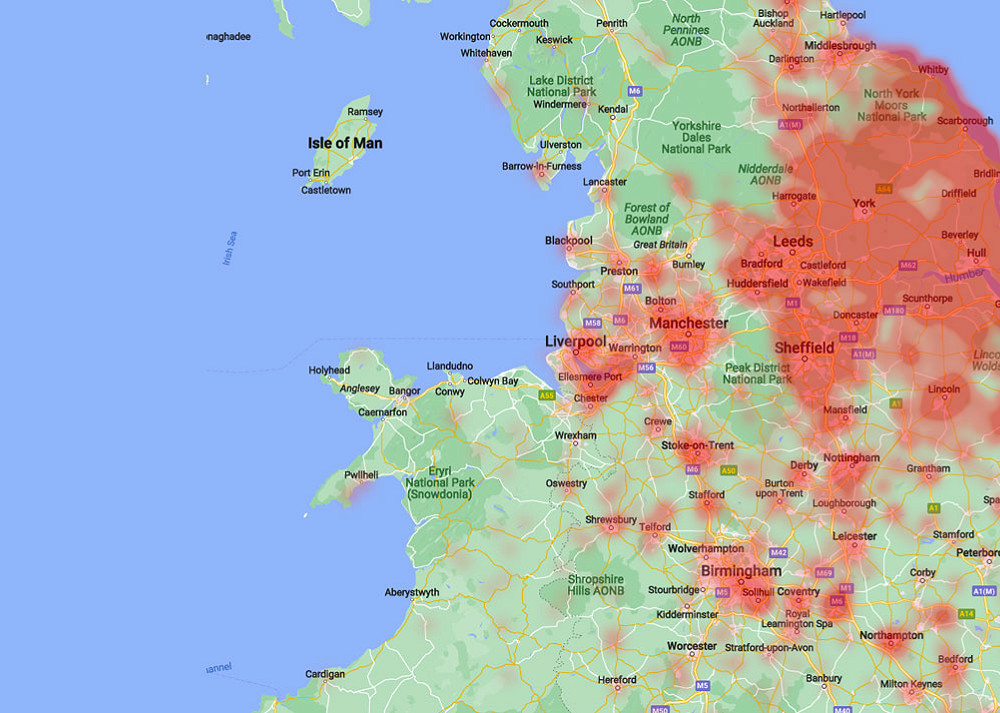
In planning terms:
- Flood Zone 1
A low probability of flooding, but development may still be constrained by surface water risk
- Flood Zone 2
A medium probability and often requires justification and mitigation
- Flood Zone 3
A high probability and places significant restrictions on development
Flood zones influence site layout, finished floor levels, access arrangements, and the suitability of proposed land uses. For planning decisions, flood zones development constraints must be addressed before design details are finalised.
Regulatory Requirements and Planning Policy
Flood risk is assessed through a combination of national planning policy and local evidence. The Local Planning Authority determines the application, supported by statutory and non-statutory consultees.
Depending on site conditions, consultation may involve:
- the Lead Local Flood Authority (LLFA) for surface water and drainage matters
- the Environment Agency where main rivers or higher flood zones are present
Strategic Flood Risk Assessments (SFRAs) provide area-wide context. A site-specific flood risk assessment planning submission then applies this information to the individual development site. This distinction helps planners understand whether identified risks are theoretical or site-specific.
The Sequential and Exception Tests Explained
The sequential test planning process is used to steer development towards areas at the lowest risk of flooding. It applies where flood risk could influence the acceptability of development.
Where development cannot reasonably be located in lower-risk areas, the exception test may apply. This requires evidence that:
- the development provides wider sustainability benefits
- the site will be safe for its lifetime, taking climate change into account
At planning stage, these tests rely on proportionate flood risk evidence rather than detailed engineering design. The aim is to demonstrate acceptability in principle.
Site Assessment and Supporting Evidence
Planning applications affected by flood risk must be supported by clear, site-specific information. This allows planners to assess actual risk rather than relying solely on mapping.
Developers are typically expected to submit evidence covering:
- site location and surrounding context
- flood mapping outputs
- topographical levels
- drainage principles
Mitigation Measures and Planning Conditions
Mitigation is a planning tool used to make development acceptable in flood risk terms. Measures are often secured through planning conditions rather than fixed design commitments.
Common planning-stage mitigation measures include:
- Adjusting site layout to avoid the highest-risk areas
- Setting minimum finished floor levels
- Providing safe access and egress routes
- Controlling surface water runoff
- Safeguarding land for drainage features
The extent of mitigation depends on the scale, location, and vulnerability of the development.
Drainage Strategy and Surface Water Risk
Surface water flooding is a frequent planning concern and a common reason for refusal. As a result, drainage strategy is closely linked to the flood risk assessment.
At planning stage, drainage strategies typically demonstrate:
- how runoff rates will be managed
- where water will be stored during heavy rainfall
- how discharge will avoid increasing flood risk elsewhere
Sustainable Drainage Systems (SuDS) are often referenced where site conditions allow, with detailed design addressed at later stages.
Final Planning Considerations for Developers
A flood risk assessment plays a central role in securing planning permission where flood risk is a material consideration. By addressing flood zones, drainage, and mitigation early, developers can reduce delays, avoid refusals, and progress applications with greater certainty. Early, proportionate flood risk consideration supports efficient planning decisions and more resilient development outcomes.