Key Bits to Remember
-
Topographical surveys take note of all the levels and features on the site - and puts them all into one single, coordinated dataset.
-
Theyre usually needed before you even start the design or planning phase - or if you want to sort out your drainage system.
-
Surveys record everything - both natural and man-made features, like the natural slope of the land and any buildings on it.
-
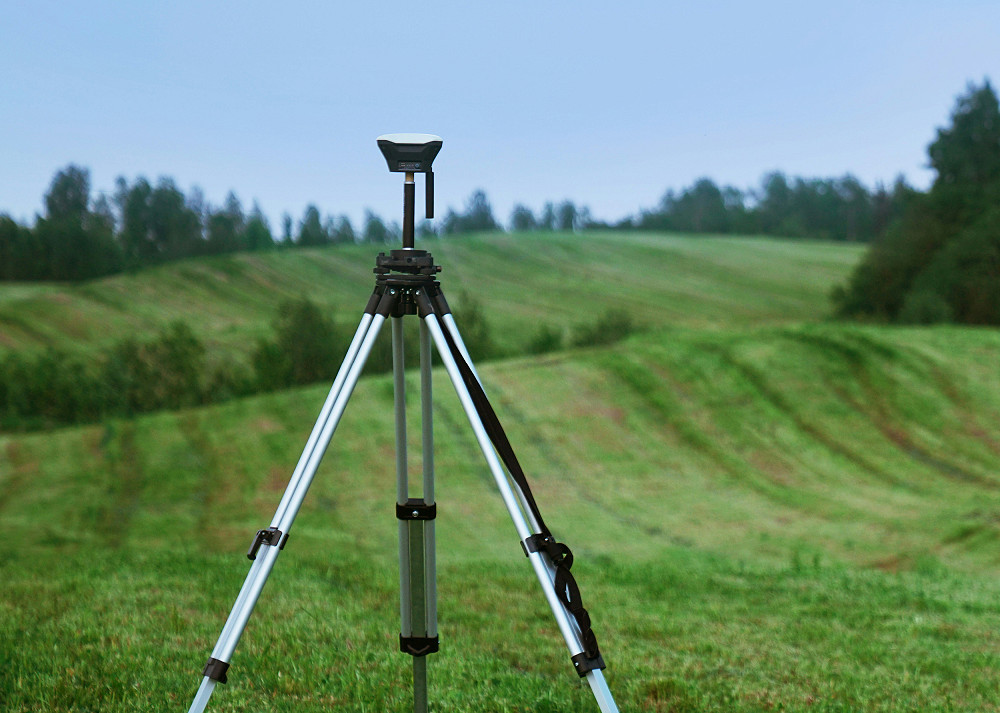
The data is collected using the latest and greatest surveying equipment, which helps you get the best possible results.
-
The end product is designed to work with computer-aided design and building information modelling software, so everything runs smoothly.
-
How accurate the survey is all depends on how precise you want the results to be - and how well the surveyor can work with the site conditions.
-
Getting some clear guidance on what you need from the survey in the first place makes all the difference in getting a top-notch survey that meets your needs.
What a Topographical Survey Actually Is
A topographical survey is a special kind of land survey that maps out the three-dimensional landscape of a site - including the levels of the ground and all the features on it. Its different from a boundary survey or a utilities survey because its all about the layout of the site, rather than who owns it or what services are buried underground. Designers and other professionals use the data from the survey as the basis for their work - so its pretty important.
What a Topographical Survey Covers
-
The general shape of the ground and any specific spot levels
-
How steep the ground is in different places
-
The buildings on the site, including their footprints
-
The roads, kerbs, and hard-standing areas
-
Any manholes, gullies, or visible drainage pipes
-
Trees, gardens, and other soft landscaping features
-
Any fences, walls or other boundary features
-
Any water features, like streams or ditches
Why Bother with a Topographical Survey
The main point of a topographical survey is to help you figure out the best course of action early on in a project. In practice, the data from the survey can help with feasibility studies, concept and detailed design, planning applications, and even construction sequencing.
When Do You Need a Topographical Survey
-
If youre planning to build something new\
-
If you want to alter the levels or access on a site\
-
If youre designing a drainage system or suDs (sustainable urban drainage systems)\
-
If youre submitting a planning application\
-
If youre working on a multi-disciplinary design project
How It All Works
The process for doing a topographic survey is pretty straightforward - the surveyor agrees a list of what you need from the survey, does a bit of reconnaissance to get a feel for the site, sets up the control points to make sure the data is accurate, collects the data using all the latest equipment, and then checks it over to make sure its all good before handing it over.
What to Tell the Surveyor Before They Start
-
Give them the site address, boundary details, and any other relevant information\
-
Let them know what level of accuracy you need\
-
Explain how you plan to use the data\
-
Make sure you agree on what file formats you want the data in\
-
Warn them about any potential access restrictions
What You Get Out of a Topographical Survey
What You Can Expect to Get
-
CAD drawings in the DWG format\
-
3D models for BIM workflows\
-
Contour plans and spot level schedules\
-
A bit of metadata and survey notes to help you understand the data
How It Helps
-
Contour plans help you see how the ground is sloping, which is useful for working out drainage and levels strategy\
-
Spot levels give you precise height points, which you can use to set finished floor levels\
-
Feature plans record all the built and natural features on the site, which helps you figure out the layout and access\
-
3D models help you see the site in 3D, which is really useful for clash detection in BIM workflows\
-
Survey notes give you all the information you need to understand how the data was collected and what the accuracy is
Accuracy and Specifications
Getting the accuracy right is pretty key - if your survey is off the mark, it can have all sorts of knock-on effects. So its worth taking the time to talk to your surveyor about what level of accuracy you need and how they plan to achieve it. Things like weather, dense vegetation, and limited access can all affect the results, so its worth knowing how your surveyor plans to tackle these challenges.
Questions to Ask Your Surveyor
-
What level of accuracy will they be aiming for?\
-
How will they set up the control points?\
-
What quality checks will they do to make sure the data is good?\
-
How will they handle any site constraints that might affect the results?\
-
What formats will they deliver the data in?
Topographical Surveys VS Other Surveys
So how does a topographical survey compare to the others? A boundary survey is all about who owns what, a measured building survey is about the internal layout, a utilities survey is about the buried services, and an as-built survey is about verifying the completed works. Clear coordination is key - all these surveys are specialised, so getting them all done together can really help streamline the process.
The Bottom Line
A topographical survey is about getting the facts straight on a site before you start designing and building on it. By working out the layout, levels and features, you can reduce the risk, make sure everything runs smoothly, and make informed decisions at every stage of the project.