Why the Right Civil Engineering Partner Really Matters
A good partner doesn't just deliver the technical bits. They help keep a project on track by pointing out potential problems early on. They also improve the planning process by coming up with sensible solutions that fit the bill. And they make sure design intent actually translates to reality on site.
But pick the wrong partner and you're looking at costly redesigns, delays and all sorts of risks you can do without. A good partner, on the other hand, helps you reduce uncertainty and makes decision-making a lot clearer right across the project.
Define Your Project Needs Before Looking for a Partner
Before you start looking for a civil engineering partner, you need to have a clear idea of what your project entails. What kind of project is it? How big and complex is it? And what's the planning and regulatory context? You need to know all this before you can even start thinking about what kind of partner you need.
Real-World Experience and Practical Knowledge
It's not just the size of the consultant that matters - it's the relevance of their experience and the sector knowledge they bring to the table. What are the common issues that pop up on this sort of project? A civil engineer with experience on residential developments will know all about access, drainage and levels. Commercial schemes throw up a whole different set of challenges - servicing, loading and coordination, for example.
What Civil Engineering Services Do You Need?
The services that your partner can offer are a big factor in your project's success. Do they cover drainage and highways design, as well as earthworks and infrastructure layout? If so, they can line up solutions that fit together much more smoothly.
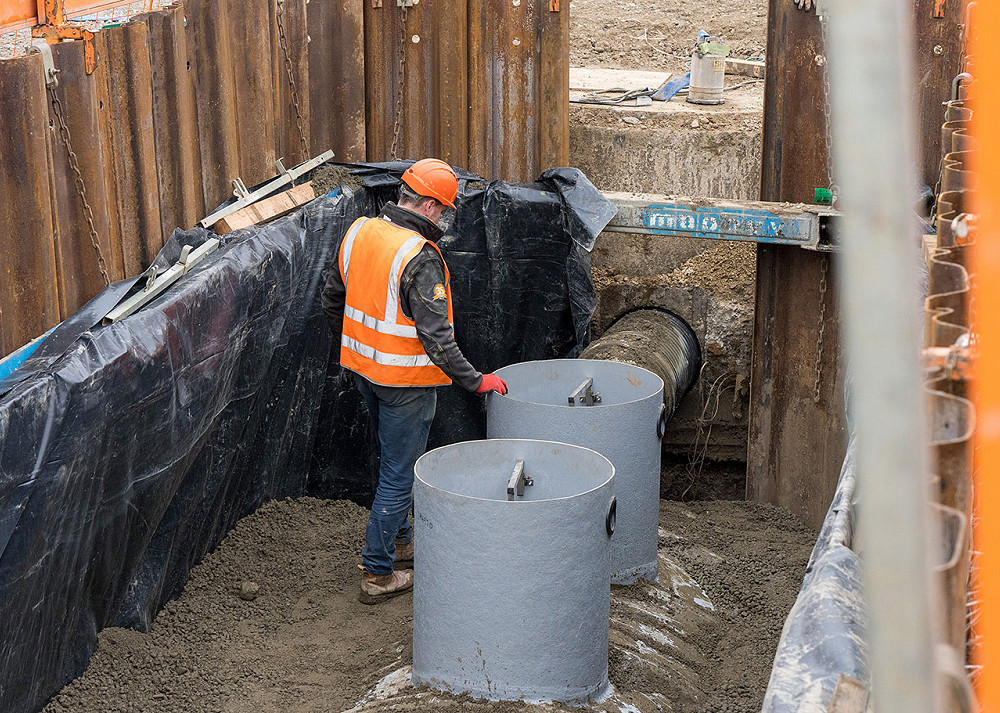
How to Manage Risk and Problem Solving
Good partners take a proactive approach to risk and problems that come up. They spot potential pitfalls, explain the implications and come up with a plan to deal with them. And they always keep things transparent and open.
Communication and Working Together
Clear communication is absolutely key to making things work with a civil engineering partner. They'll be working closely with architects, surveyors and contractors, so good communication helps to sort out problems and keep momentum going.
Keeping to the Rules, Standards and Professionalism
Understanding all the rules and regulations around civil engineering is essential. Your partner will need to navigate all sorts of stuff - highways authority regulations, drainage consultations and adoptable standards - to make sure your project stays on the right track.
Questions to Ask When Choosing a Civil Engineering Partner
-
What's your experience with projects like this one?
-
What services will you be providing for our project?
-
How do you identify and manage risk on a project?
-
How do you make sure you're working well with other consultants?
-
How much resource will they be allocating to our project?
-
What can we expect to see in the way of reports and outputs at each stage?
-
How do you handle changes to the design and construction process?
Fee, Value and a Long-Term Working Relationship
It's not just the fee that matters, it's the value that your partner delivers. If you go with the cheapest option, you might not get the input you need to keep costs down or avoid costly redesigns. And that can end up costing you a lot more in the long run.
Final Thoughts
Choosing the right civil engineering partner is all about getting the right fit for your project. It's not just about finding a partner with the technical know-how - it's about experience, approach and collaboration that really delivers.