Key Design Principles in UK Highway Design
-
ensuring everyone on the road can use it without getting hurt
-
choosing the right speed for the road in question
-
making sure drivers can see what's ahead, and vice versa
-
having enough space on the road for traffic to keep moving smoothly
-
designing the road in a way that makes sense, and fits the landscape
-
making sure water doesn't collect on the road and cause trouble
-
being mindful of people who might not be able to use the road easily - like those on wheelchairs or with prams
-
making sure it's not too much hassle to keep the road in good nick
Design Standards and Guidance in the UK
Having a set of road design rules in place helps keep things consistent on the highway network. The government sets out a basic framework, which local authorities then add to with their own requirements. Having those rules in place is super helpful, but it's not a substitute for using common sense.
Junction and Access Design
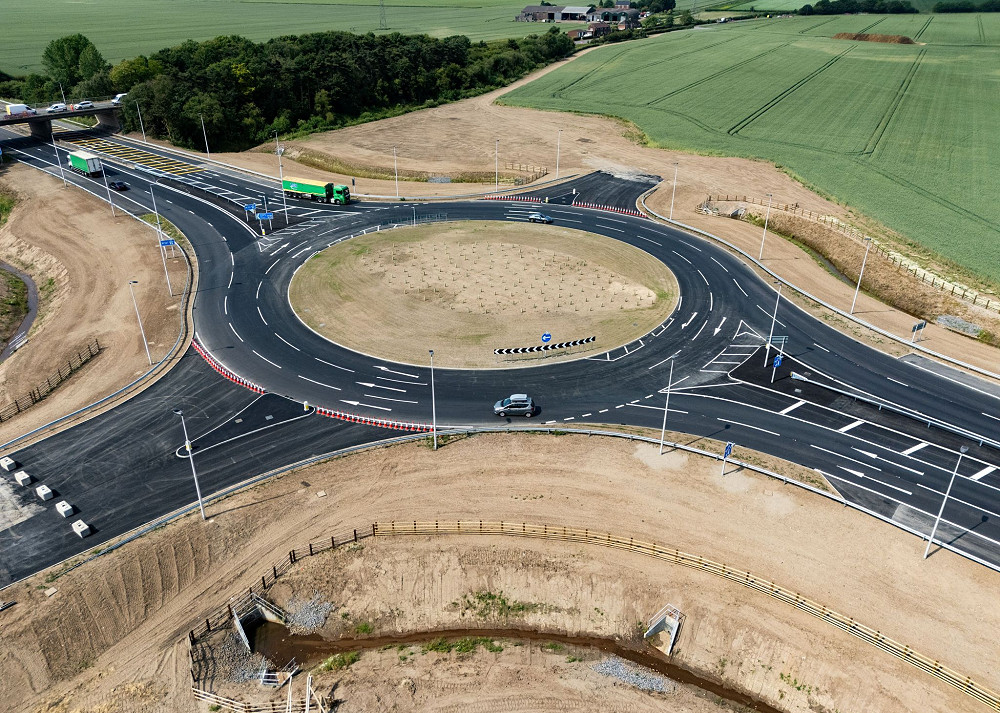
Junctions are where the road network can get pretty complicated - loads of different movements all happening in one place. Good design at these points is all about making the whole thing clear, giving priority where necessary, and making sure visibility isn't an issue. We use a range of techniques to make it all work, including simple priority junctions, roundabouts and traffic lights.
Road Safety and User Considerations
One of the main goals of good highway design is to cut the risk of accidents through clever use of geometry, visibility and the layout of the road itself. And that means thinking about all the different types of road users - pedestrians and cyclists need predictable places to cross, good visibility, and not too much speed. When we can all see how the road is supposed to work, then safety improves.
Drainage and Environmental Considerations
Having water just lying around on the road is a nightmare - it causes surface damage, reduces the road's grip, and plenty of other problems. So, we make sure to design the drainage in from the get-go. And, these days, we're also thinking about ways to use water more sustainably when we're building new roads.
The Role of the Local Highway Authority
The local authority that's in charge of roads has to give the thumbs up (or not) to new road plans. In some cases, they even get to adopt the road itself if the project goes ahead. But, before that can happen, they need to do some technical checks, assess how safe the road would be, and think about what the long-term maintenance needs will be. Getting them on board early on really helps get things right.
Highway Design for Development Projects
When we're talking about developments - like building a new block of flats or a shopping centre - roads are all about getting people in and out, rather than being some kind of big transport artery. Depending on the type of development, we might be prioritising low speeds, making it safer for pedestrians, or getting the traffic flowing as smoothly as possible. The access arrangements - how the road connects up with the rest of the road network - can really make or break a development.
Common Misconceptions
-
people often think that road design is just about checking all the right boxes - that's true, but it's not just about following rules, it's about actually creating a good road
-
a lot of people believe that making roads wider is a magic solution to traffic jams - but it's not always that simple - sometimes more traffic will just create more congestion
-
some folks think that if a road is approved then that's all that matters - but good design is about how all the different principles are applied, not just some magic number in a spreadsheet.