Key Takeaways
-
Civil engineers shape site layout, drainage, access, and earthworks from the start.
-
Civil engineering services reduce risk by identifying constraints early.
-
Civil engineers support compliance through approvals and technical submissions.
-
Civil engineers influence feasibility, detailed design, construction, and handover.
-
Civil engineers manage programme risk through coordination and buildability planning.
-
Civil engineers help deliver cost certainty through pragmatic design decisions.
-
A civil engineer complements structural and architectural roles rather than replacing them.
With these points in place, it helps to define what a civil engineer does in practical terms.
Civil Engineer
A civil engineer designs the external and ground-related parts of a project, including drainage, roads, levels, and utilities interfaces. The civil engineer focuses on how a site functions and performs, both during construction and in operation. Civil engineering also supports infrastructure engineering such as highways engineering, access design, and public realm works. In practice, civil engineering consultancy bridges design intent and practical delivery.
Civil engineers work alongside other built-environment professionals. Architects lead spatial design and planning coordination. Structural engineers design loadbearing structures. Surveyors provide measured data and existing constraints. Contractors build the works and manage construction activity. The civil engineer integrates these inputs to produce coordinated, buildable outcomes.
Core responsibilities of a civil engineer
- Assess site constraints and ground levels for feasibility studies.
- Develop concept layouts for access, levels, and drainage routes.
- Produce drainage design, including SuDS and attenuation strategies.
- Design highways access, junction geometry, and road alignments.
- Develop earthworks strategies, including cut and fill balance.
- Coordinate utilities and service corridors with other disciplines.
- Prepare drawings, specifications, and technical approvals submissions.
- Support procurement through tender information and clarifications.
- Provide construction engineering support through inspections and design queries.
- Support handover through as-built information and performance checks.
These responsibilities begin early, so the next section explains how civil engineering adds value at feasibility and concept stage.
Early Project Stages (Feasibility and Concept Design)
A civil engineer often influences the viability of a site before detailed design begins. Feasibility studies evaluate physical constraints, access potential, and drainage feasibility. These studies also identify programme risk and cost uncertainty linked to ground levels, flood risk, and utilities. Early civil engineering input helps teams avoid layouts that fail later approvals.
Concept design involves practical decisions. The engineer reviews how vehicles enter and move through the site. The engineer assesses how surface water can be managed. The engineer checks whether level changes require retaining structures or extensive earthworks. These checks inform land value decisions and development strategy.
Site constraints also shape risk. A steep site increases cut and fill requirements and may require retaining walls. A constrained access may limit junction design options. Poor infiltration may affect SuDS feasibility and discharge strategy. A civil engineer highlights these issues early so the team can act.
How early civil engineering input reduces risk
Early input reduces risk by:
- identifying constraints before design becomes fixed
- improving cost certainty through realistic earthworks assumptions
- confirming drainage principles before planning submission
- reducing late redesign triggered by highway or LLFA feedback
- improving buildability through practical access and levels planning
Once concept feasibility is established, civil engineering moves into detailed design and technical approvals.
Detailed Design and Technical Approvals
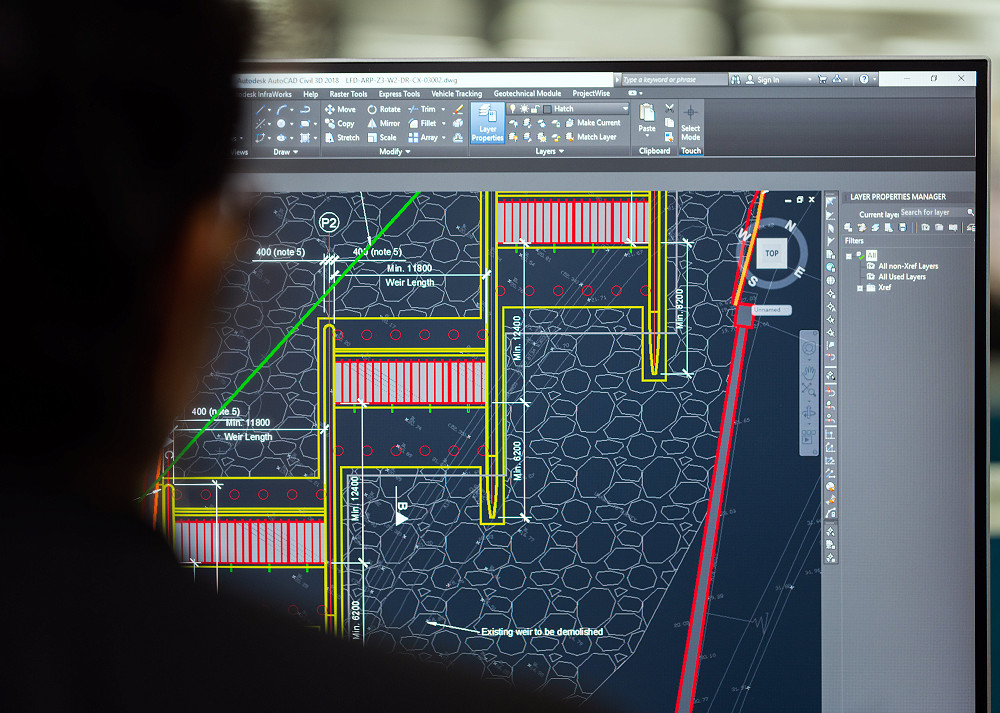
Detailed design turns concept intent into coordinated, buildable information. At this stage, civil engineering services often include drainage, highways, and earthworks design, plus utilities coordination. The civil engineer sets levels and gradients and checks falls for drainage runs. The engineer then coordinates drawings with structural and architectural design so interfaces remain clear.
Highways engineering becomes more defined at detailed design. Junction design, road geometry, visibility splays, and swept path analysis often form part of the package. Drainage design also becomes more technical, with pipe sizing, head calculations where relevant, and storage volumes for attenuation. For SuDS, the engineer defines features such as basins, permeable paving, and flow control structures in a practical way.
Earthworks design also advances. The civil engineer refines cut and fill quantities and confirms where material can be reused. The engineer assesses slopes and retaining needs. The engineer then supports construction engineering decisions by defining tolerances, setting-out references, and sequencing constraints.
Typical civil engineering outputs at detailed design stage
Typical outputs include:
- drainage drawings and calculations for discharge and storage
- SuDS layouts and maintenance principles
- access road and junction design drawings
- levels strategy plans and earthworks proposals
- utilities coordination drawings and service corridor plans
- specifications and construction notes for tender support
These outputs support approvals and enable contractors to price and build the works with confidence.
Planning and Regulatory Interface
Civil engineers support planning permission by providing clear technical evidence. Planning decisions often depend on drainage strategy, highway access, and site levels. A civil engineer prepares information that responds to Local Planning Authority requirements and consultee expectations. The civil engineer also supports submissions to highways authorities and the Lead Local Flood Authority (LLFA) where surface water drainage is a key issue.
Civil engineering submissions often aim to show compliance and feasibility. They confirm that access is safe and suitable. They demonstrate that drainage will not increase flood risk elsewhere. They show that finished levels avoid introducing unnecessary risk. These documents help the planning team reduce objections and conditions.
Common approvals supported by civil engineers
Common approvals and interfaces include:
- highway access approvals and technical review
- LLFA drainage and SuDS review
- discharge consents and local drainage constraints review
- planning conditions related to levels and drainage
- approvals in principle for specific site engineering elements
Once planning progresses, civil engineering support continues through construction.
Construction Phase Support
A civil engineer often supports construction through inspections, responses to design queries, and change management. Construction engineering activity includes checking that works follow the design and that site conditions match assumptions. Site inspections may focus on drainage installation, formation levels, and SuDS features. The engineer also supports requests for information where contractors encounter constraints.
Change occurs during construction. Unexpected ground conditions can affect earthworks and drainage. Utility conflicts can require routing changes. Programme changes can require resequencing. The civil engineer helps manage these changes while maintaining performance and compliance.
Temporary works can also interact with civil design, especially where excavations, drainage diversions, or retaining measures are needed. The civil engineer coordinates with the temporary works designer where those interfaces matter. This coordination reduces safety risk and disruption.
Risks managed during construction
Civil engineering support helps manage:
- incorrect levels and gradients that affect drainage performance
- utility clashes that cause delay and rework
- drainage installation defects that fail testing
- access and surfacing issues that affect safety
- uncontrolled changes that compromise compliance
After construction, civil engineering supports handover and performance.
Handover and Asset Performance
Handover requires accurate information about what was built. Civil engineers support the creation and review of as-built information and compliance confirmation. The engineer checks that drainage assets, SuDS features, and access works align with approvals and specifications. The engineer may also support commissioning checks where drainage performance must be verified.
Asset performance matters after completion. Drainage systems must function in heavy rainfall. Roads must remain serviceable and safe. SuDS features must be maintainable. A civil engineer can support maintenance planning by clarifying inspection points, access arrangements, and operational requirements.
Information required at handover
Handover information commonly includes:
- as-built drawings for drainage and highways
- updated levels information and key setting-out references
- maintenance requirements for SuDS and drainage features
- records of testing and inspections for installed works
- confirmation of compliance with approvals and conditions
The requirements differ across sectors, so the next section compares project contexts.
Residential vs Commercial and Infrastructure Projects
Residential projects often involve smaller footprints and simpler networks, but constraints can still be tight. Drainage design may need to manage limited space for storage and SuDS features. Access geometry must still meet standards. Earthworks decisions can affect gardens, thresholds, and neighbour interfaces.
Commercial projects often increase complexity through scale and operational requirements. Larger impermeable areas increase runoff volumes and storage needs. Service yard geometry and loading conditions affect access design. Utility demands can be higher and more constrained.
Infrastructure projects UK often involve linear corridors and interfaces with existing networks. Highways engineering can include junction upgrades, alignments, and drainage outfalls over long distances. Programme risk can increase due to stakeholder coordination and approvals. In all cases, early civil engineering input improves outcomes.
Working With the Wider Project Team
Civil engineers collaborate with architects, structural engineers, surveyors, and contractors to maintain alignment across the project lifecycle construction stages. Coordination starts with survey data and site constraints. It then moves through concept alignment, detailed design coordination, and construction engineering support. Clear communication reduces errors and avoids duplicated work.
Sequencing matters for civil engineering. Drainage falls depend on agreed levels. Levels depend on architectural thresholds and structural build-ups. Access geometry depends on site layout and boundary constraints. Utilities coordination depends on confirmed service routes and plant locations. Civil engineering consultancy helps manage these dependencies.
How collaboration improves outcomes
Collaboration improves outcomes by:
- reducing clashes between drainage, structure, and architecture
- improving buildability and site sequencing
- preventing late-stage redesign triggered by approval feedback
- supporting cost certainty through coordinated tender information
- improving safety through clear site engineering decisions
This integrated approach leads into the final summary.
Conclusion
Civil engineers add value across feasibility, design, approvals, construction, and handover because they shape how sites function in the real world. A civil engineer supports safe access, effective drainage, practical earthworks, and coordinated utilities, which together reduce risk and improve performance. Early involvement improves compliance, cost certainty, and programme reliability. Related topics often include structural engineering, site investigations, and highways design, which connect directly to civil engineering decisions across the lifecycle.